· 2 min read
On Rigor in Science
Music by Franklin Baldo — On Rigor in Science
Listen to the music
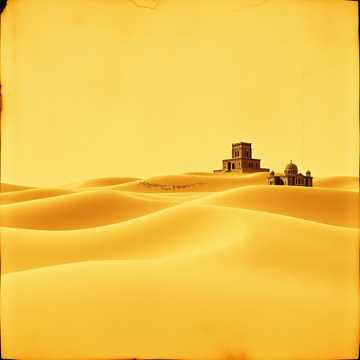
On Rigor in Science
eletrônico · experimental · 3:20
Lyrics
[Verse 1]
Naquele império, a Arte da Cartografia
alcançou tal perfeição:
um mapa de uma única província
ocupava uma cidade inteira,
e o mapa do Império
uma província inteira.

[Verse 2]
Com o tempo, estes mapas desmedidos
não bastaram —
e os colégios de cartógrafos
levantaram um mapa do Império
que tinha o tamanho do Império
e coincidia ponto por ponto.

[Chorus]
Mapa do Império,
mapa tão vasto quanto o próprio chão.
Mapa do Império,
espelho inútil em suas mãos.

[Verse 3]
Menos dedicadas ao estudo,
as gerações seguintes julgaram inútil
esse dilatado mapa —
e não sem impiedade
entregaram-no ao sol
e aos invernos.

[Bridge — spoken]
Nos desertos do Oeste
perduram ruínas despedaçadas do mapa,
habitadas por animais
e por mendigos.
Em todo o país
não há outra relíquia
das disciplinas geográficas.

[Chorus — variação]
Mapa do Império,
desfeito em areia e tempo vão.
Mapa do Império,
tua perfeição foi perdição.

[Outro]
Ruínas no deserto,
espelhos da ciência em pó.
A cartografia se curva,
o rigor também se dobra.
Composer Notes
Borges's "Del rigor en la ciencia" is under two hundred words and destroys an entire theory of representation. The micro-story describes an empire whose cartographers kept improving their maps until the only satisfactory map was the size of the territory — coinciding with it point by point. The following generations found this useless and abandoned it to the sun and winter. In the desert, tattered ruins remain. It's a parable about the moment rigor becomes indistinguishable from what it set out to represent and, for that very reason, useless. I took the lyrics almost directly from Borges — the musicalization was the point, not the paraphrase.
The lyrics are in Portuguese and hew closely to the source text, which I'll briefly unpack: in Borges's empire, the Art of Cartography reached such perfection that a map of a single province occupied a whole city, and the map of the Empire occupied a whole province. Then the College of Cartographers built a map of the Empire the same size as the Empire, coinciding point by point. Subsequent generations judged it useless and left it to decay. The ruins persist, inhabited by animals and beggars. No other relic of the geographical disciplines survives. The chorus variation — "tua perfeição foi perdição," your perfection was your ruin — is the synthesis of what Borges already knew: the catastrophe here didn't come from failure but from completeness.
What persists for me in this story is the question it raises about large language models. A model trained on all human writing begins to approximate a map the size of the empire. Borges's question remains valid: when the representation coincides point by point with the represented, what use is left in the representation? I don't know how to answer that — it's a real philosophical and technical problem, not a rhetorical flourish. The trip-hop arrangement with pandeiro ghost notes mixes formal and vernacular, the measured and the leaking — which seems right for a song that is, essentially, a requiem for an idea. Suno landed on something nocturnal and cinematic, which serves a text about ruins.