· 2 min read
O Ritual de Abril (Anos de Saudade)
Music by Franklin Baldo — O Ritual de Abril (Anos de Saudade)
Listen to the music
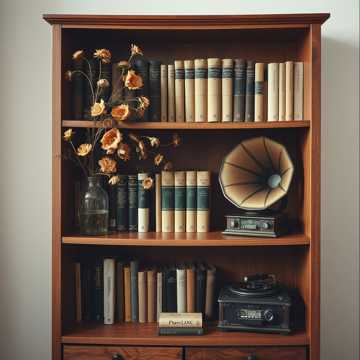
O Ritual de Abril (Anos de Saudade)
moda de viola · sertanejo · 3:26
Lyrics
[Lyrics]
[Intro]
(Viola Caipira dedilhada - Compasso marcado de relógio/tempo)

[Verse 1]
Beatriz morreu em vinte e nove, a saudade começou
Desde então o trinta de abril, sagrado se tornou
Eu chegava sete e quinze, vinte minutos ficava
Era um ato de cortesia, que a alma consolava
Cortava as folhas dos livros, presente que eu levava
Pra não ver que ninguém lia, o que eu presenteava

[Verse 2]
Mas o tempo foi passando, e o costume criou raiz
Em trinta e três um dilúvio, o céu se fez infeliz
A chuva me deu a chance, de ficar para o jantar
Não perdi a ocasião, de naquele mundo entrar
Em trinta e quatro voltei, com alfajor na mão
Doce de Santa Fé... pra adoçar a solidão

[Chorus]
(Emotional and flowing)
Aniversários tristes, inutilmente eróticos
Ouvindo o primo Carlos, com seus modos exóticos
Entre a memória dela e a voz dele a soar
Eu ia ganhando espaço... na casa da Rua Garay

[Bridge]
(Viola solo - Reflective)

[Verse 3]
(Spoken/Sung style - Listing the photos)
Enquanto ele falava, meus olhos iam passeando
Pelos retratos na sala, a vida dela montando
Vi Beatriz de máscara, no carnaval de vinte e um
Vi Beatriz comungando, num tempo mais incomum
Vi no dia do casório, vi depois do desquite
Sorrindo com a mão no queixo... beleza sem limite

[Verse 4]
E o Carlos Argentino? Rosado e gesticulador
Trabalha na biblioteca, num cargo inferior
Tem aquele "esse" italiano, a mão fina a balançar
Atividade mental contínua... sem nada pra aproveitar
Sua mente é apaixonada, versátil, mas eu digo:
É tudo insignificante, o pensar desse meu amigo

[Outro]
Assim os anos correram, nessa estranha devoção
Aturando o primo chato...
Pra ter a Beatriz... no meu coração.
(Fade out)
Composer Notes
This track tells the same story as "The Price of Saudade" — the annual ritual of April 30th, the visits to Carlos Argentino's house, the photographs of Beatriz on the wall — but with a different texture: more confessional, slower, closer to someone who is inside the habit than to someone observing it from outside. The perspective here is one of accumulation: Beatriz died in 1929, and the narrator keeps showing up, year after year, the ritual taking root from what began as courtesy. That process of sedimentation — how a ritual starts as gentleness and becomes necessity — interests me more than the object of the devotion itself.
The viola caipira with a beat marked like clockwork was the instruction I gave Suno, and the metaphor worked: the track has the feeling of time passing being counted, not felt. Each verse is almost a diary entry — "in thirty-three a deluge," "in thirty-four I came back with alfajor in hand" — which creates a chronology that is simultaneously intimate and mechanical. The alfajor from Santa Fe appearing as a detail of affective memory is pure Borgesian touch: the ridiculous particular that the mind preserves when the important thing cannot be preserved. Saudade — that deep, beautiful Portuguese ache for the absent — operates precisely like this: it doesn't preserve the person, it preserves the circumstances around the person, the props of the lost occasion.
The inventory of Beatriz's photographs in Verse 3 is the emotional center of the track — carnival mask, first communion, wedding day, after the divorce, smiling with her hand on her chin. The narrator doesn't describe her face; he describes the pose, the framing, the occasion. It's a collection of contexts without access to the person. That is what saudade does over time: it replaces the memory of the person with the memory of the person's images. The track ends with the same formula as "The Price of Saudade" — the cousin as price, Beatriz as devotion — but arriving at it from the inside, after all those years listed. The repetition isn't carelessness; it is the argument of the series: we return to the same place because the place has not yet finished saying what it has to say.