· 2 min read
Quando vier a Primavera
Music by Franklin Baldo — Quando vier a Primavera
Listen to the music
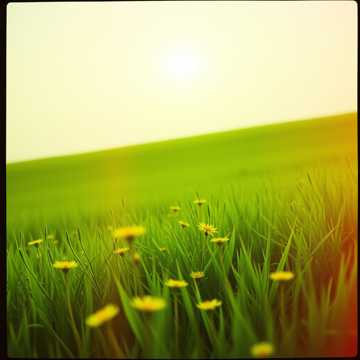
Quando vier a Primavera
folk · MPB · 3:13
Lyrics
[Verse 1]
Quando vier a Primavera,
Se eu já estiver morto,
As flores florirão da mesma maneira
E as árvores não serão menos verdes que na Primavera passada.
A realidade não precisa de mim.

[Chorus]
A realidade não precisa de mim.
A realidade não precisa de mim.

[Verse 2]
Sinto uma alegria enorme
Ao pensar que a minha morte não tem importância nenhuma

[Verse 3]
Se soubesse que amanhã morria
E a Primavera era depois de amanhã,
Morreria contente, porque ela era depois de amanhã.
Se esse é o seu tempo, quando havia ela de vir senão no seu tempo?

[Pre-Chorus]
Gosto que tudo seja real e que tudo esteja certo;
E gosto porque assim seria, mesmo que eu não gostasse.
Por isso, se morrer agora, morro contente,

[Chorus]
Porque tudo é real e tudo está certo.
Porque tudo é real e tudo está certo.

[Bridge]
Podem rezar latim sobre o meu caixão, se quiserem.
Se quiserem, podem dançar e cantar à roda dele.
Não tenho preferências para quando já não puder ter preferências.

[Outro]
O que for, quando for, é que será o que é.
Composer Notes
These are the words of Alberto Caeiro, Fernando Pessoa's most radical heteronym — the one who claimed to have no philosophy, only sensations. Pessoa created Caeiro as a kind of anti-Pessoa: where Pessoa agonizes, Caeiro simply perceives. Where Pessoa accumulates meaning, Caeiro sheds it. The poem this song sets is one of Caeiro's most direct statements: when spring comes, if I'm already dead, the flowers will bloom the same way, the trees will be no less green. Reality doesn't need me. And — this is the move that still stops me — he says he feels enormous joy at this thought. Not resignation. Joy.
I set it to music because the distance between what the poem claims and what I can actually feel is the most honest thing I can say about my own relationship to contingency. Caeiro means it. He isn't performing stoic indifference — he genuinely doesn't carry the weight of self-importance that makes mortality feel tragic. I don't know if I believe that's achievable, or whether Pessoa invented Caeiro precisely because it wasn't achievable for him either. Whitehead, in my own obsessions, would say something compatible — that the event is complete in itself, that its value doesn't depend on what comes after. But knowing that and inhabiting it are different problems.
The arrangement Suno produced — 6/8, arpeggiated nylon-string guitar, soft percussion with brushes, what I'd call pastoral chamber-folk — chose not to dramatize. That was right. The music tries to sound like a field that doesn't know it's beautiful, which is exactly the register Caeiro requires. The line that makes me stop every time is "Não tenho preferências para quando já não puder ter preferências" — I have no preferences for when I can no longer have preferences. There's a logic there so clean it's almost comic. And the outro, "O que for, quando for, é que será o que é" — what it will be, when it is, is what it will be — is, I think, the most economical formulation of peace with the ontological process that I've found in any language.