· 1 min read
The First Change
Music by Franklin Baldo — The First Change
Listen to the music
The First Change
moda de viola · acústico · 3:15
Lyrics
[Lyrics]
[Intro]
(Slow Viola Caipira Solo - Sad and reflective)

[Verse 1]
Manhã de fevereiro, o sol tava queimando
Fazia um calor que o asfalto ia estalando
A morte veio seca, sem ninguém tá esperando
Beatriz se foi embora, agonia imperando
Não teve despedida, nem medo se mostrando
Só o silêncio da casa que ficou lá me olhando

[Interlude]
(Viola strumming)

[Verse 2]
Saí pra caminhar pra tentar me consolar
Na Praça da Constituição eu fui parar
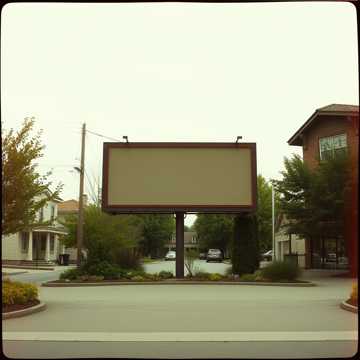
Olhei pros painéis de ferro naquele lugar
Tinha um anúncio de fumo pra gente tragar
Mas trocaram a pintura, botaram outra no ar
E aquilo me deu uma raiva de me fazer chorar

[Chorus]
(Powerful vocals, with harmony)
Ai, mundo ingrato que não para pra sofrer
A dor da minha perda ninguém quer saber
O universo segue, não tem tempo a perder
Se mudaram o cartaz, vão mudar o meu viver

[Bridge]
(Spoken Word / Declamado)
"Ali eu vi... que o universo já estava se afastando dela.
Essa mudança no anúncio era só a primeira...
De uma série infinita."

[Verse 3]
Ali eu compreendi, com o peito doendo
Que o mundo da Beatriz já tava morrendo
Aquela troca de foto, eu fui entendendo
Era o primeiro sinal do tempo correndo
Uma série infinita de coisas esquecendo
Meu Deus, quanta tristeza eu tô percebendo

[Outro]
A vida continua, a engrenagem girando...
E a memória dela... aos poucos se apagando.
(Fade out with solo viola)
Composer Notes
The opening image of "The Aleph" — the narrator staring at a replaced cigarette advertisement in Praça Constituição and feeling revulsion because the universe was already withdrawing from Beatriz — strikes me as one of the most philosophically honest discoveries fiction has ever made. It isn't conventional grief. It is the perception that someone's death doesn't occur at the moment of the last breath; it propagates as an infinite series of small substitutions. The billboard was changed. The first forgetting by the world.
This song is the same moment, but transposed into the voice of a man from the interior — viola caipira, direct singing, no explicit literary sophistication. I wanted to see what happened when you stripped away the Borgesian layer and left only the fact: someone died in February, the sun was burning, and the universe didn't wait. The viola caipira carries this in a way that learned prose cannot — there is a materiality in the sertanejo lament that lands differently in the body.
What disturbed me in the process was the line "if they changed the billboard, they'll change my living." It wasn't in the original Borges; it emerged from the adaptation. And it's a conclusion Borges would never draw — he would choose obstinate devotion to memory, not capitulation. But the character in this version understands, from the beginning, that he will forget. That honesty felt more cruel and more true.